


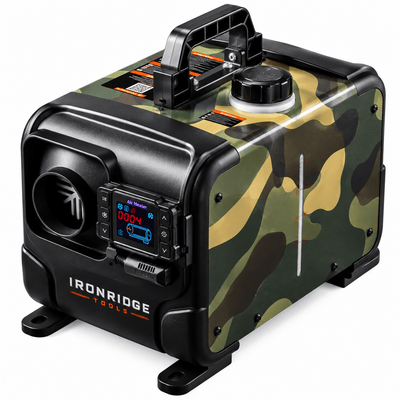


Stop making propane refills the deciding factor in how long you can stay out in the cold. The IronRidge 8KW Diesel Air Heater delivers powerful, fuel-efficient heat for RV trips, winter camping, and extended stays in cold conditions.
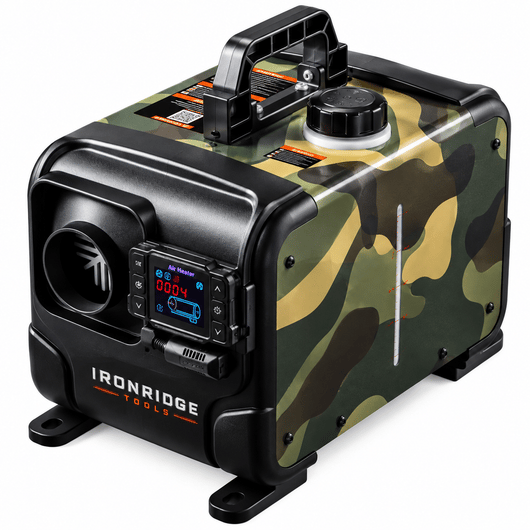


Keep Your RV Warm Longer While Saving Propane for What Matters
$349.99
$419.99
SAVE
17%

Keep more propane for cooking

Adjust settings without getting up

More comfortable cold-weather adventures

Heats Up In Minutes
30 Day Money Back Guarantee | Free Refunds
We've Sold Out 5 Times This Year...
Order today to GUARANTEE your product comes in by the specified date.
Making Cold-Weather Comfort Easier, One Review at a Time
Over 2.3M Views On Facebook
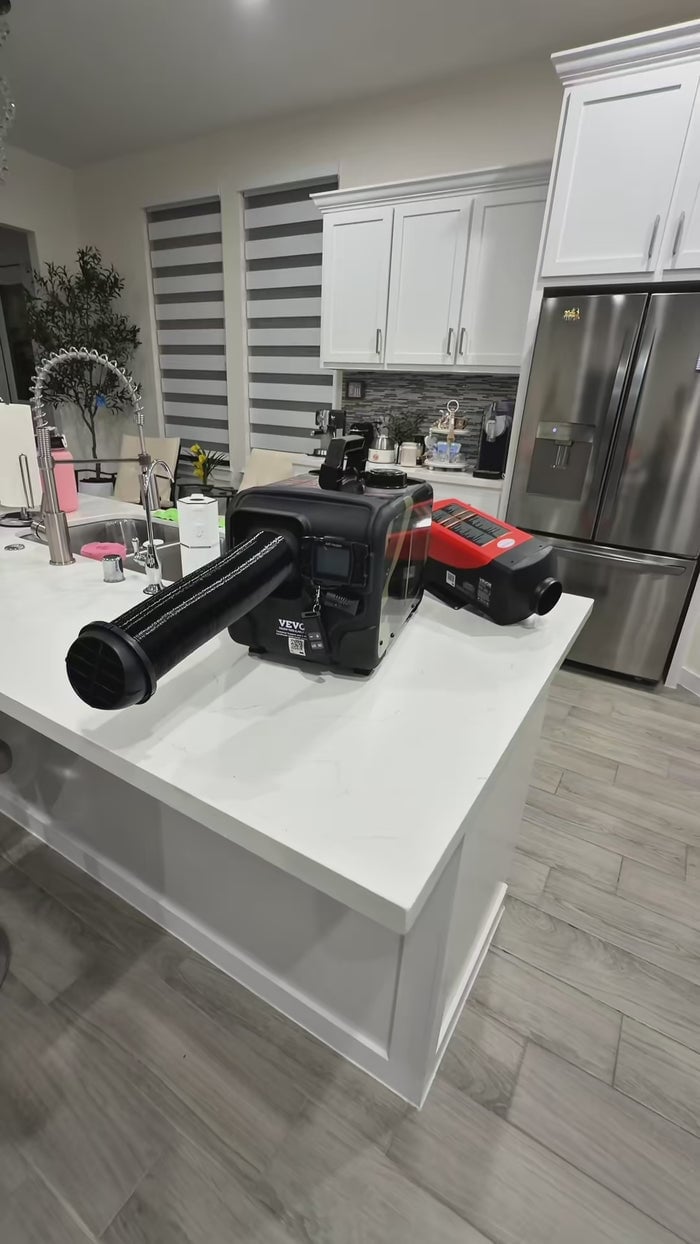
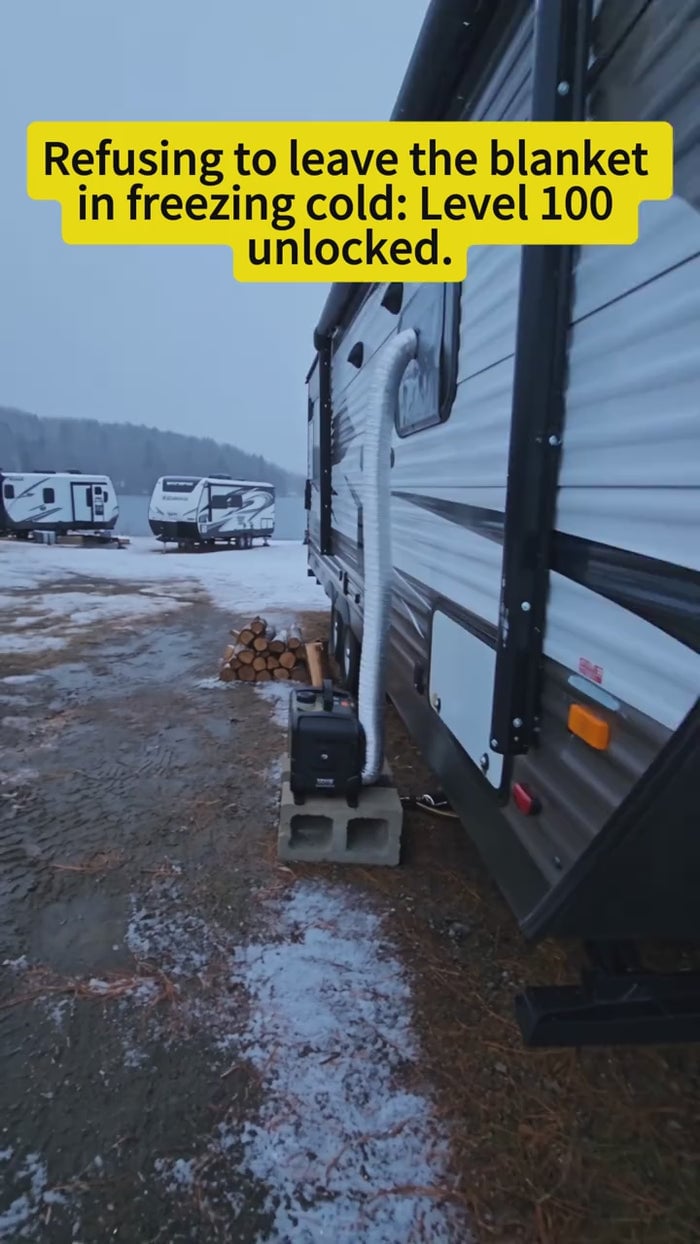
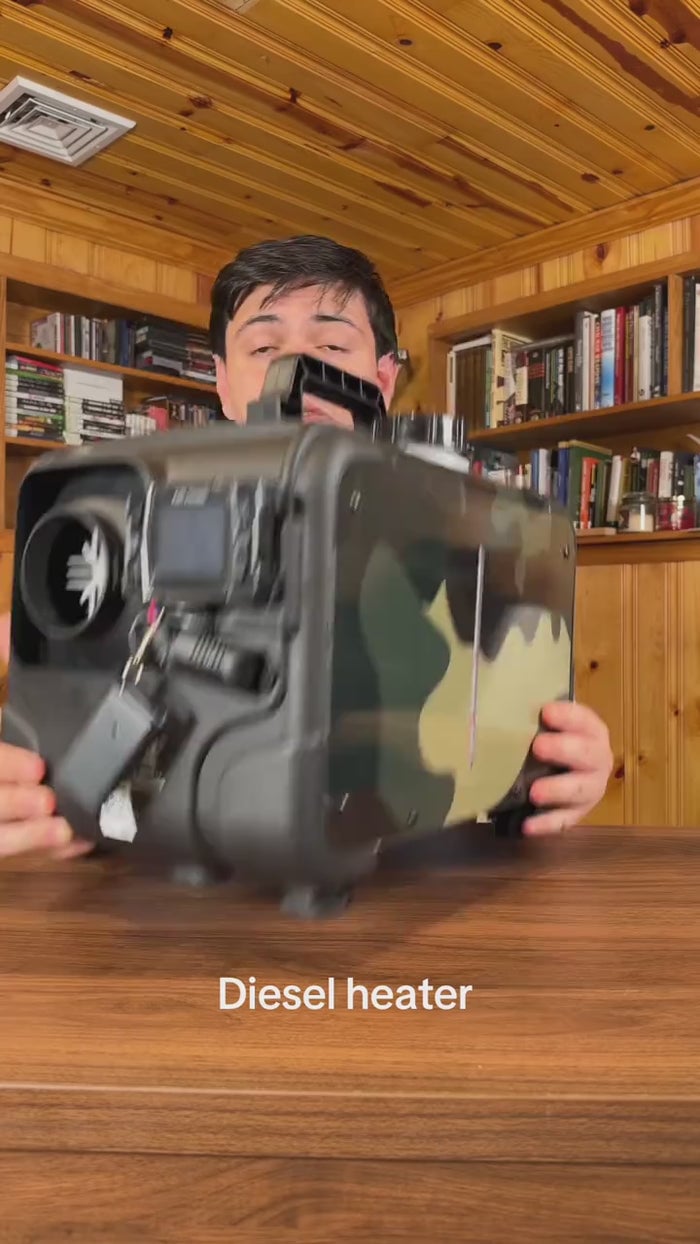
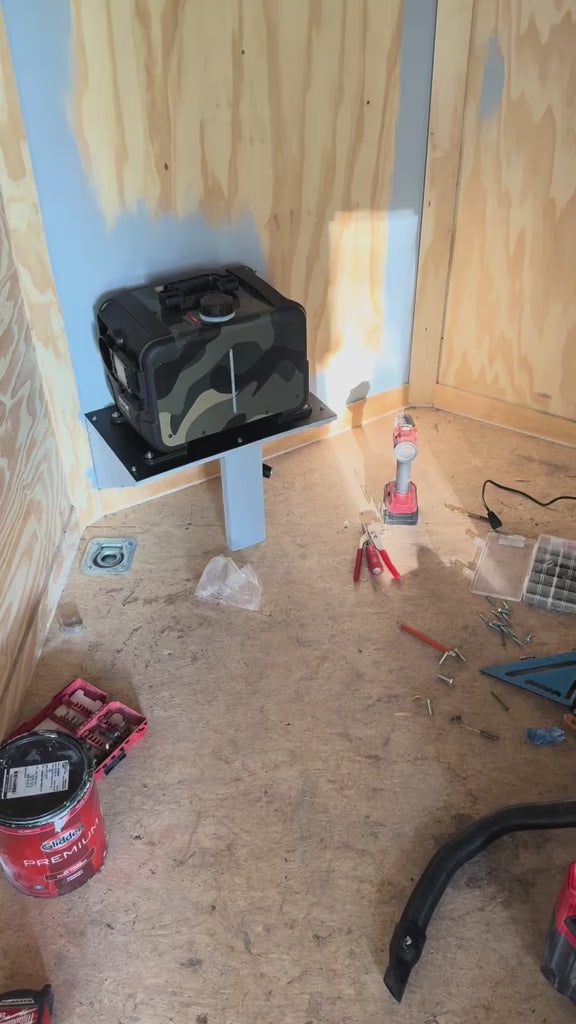
LOW STOCK NOTICE
We restock weekly, and current inventory moves quickly. If it’s showing In Stock, we recommend ordering today — once this batch sells out, we can’t reserve units and the next shipment goes out the following week.
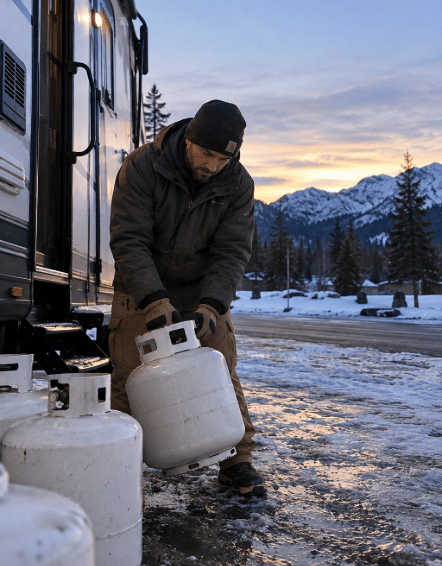
Keep Your RV Warm and Your Propane Ready for Dinner
Cold nights put extra demand on the propane you also need for morning coffee, hot meals, and other RV appliances. The IronRidge Diesel Air Heater gives warmth its own fuel source, using diesel to heat your space while keeping propane available for the rest of your trip
Whether you’re settling in after a day outdoors or enjoying a slow morning at camp, a separate heating supply gives you more flexibility in how you use the fuel you carry—so heating and cooking don’t have to draw from the same propane tank
Settle In Without Reaching for the Heater
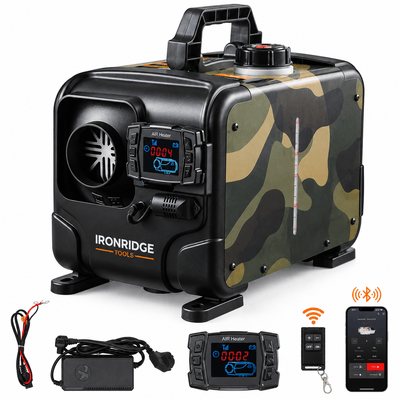
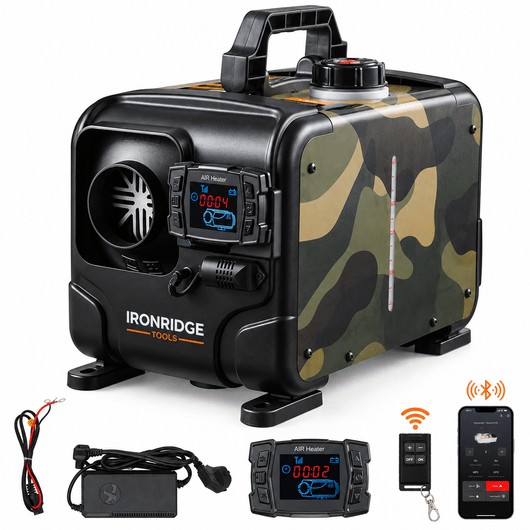
Settled into your favorite seat and want to adjust the heat? Use the Bluetooth app or remote to change settings without getting up and walking over to the heater, with a built-in display panel available whenever you prefer direct control
Whether you’re enjoying dinner, reading after a day outdoors, or relaxing inside your camper, three control options make it easier to adjust the warmth around your routine—so you can stay comfortable without interrupting the moment
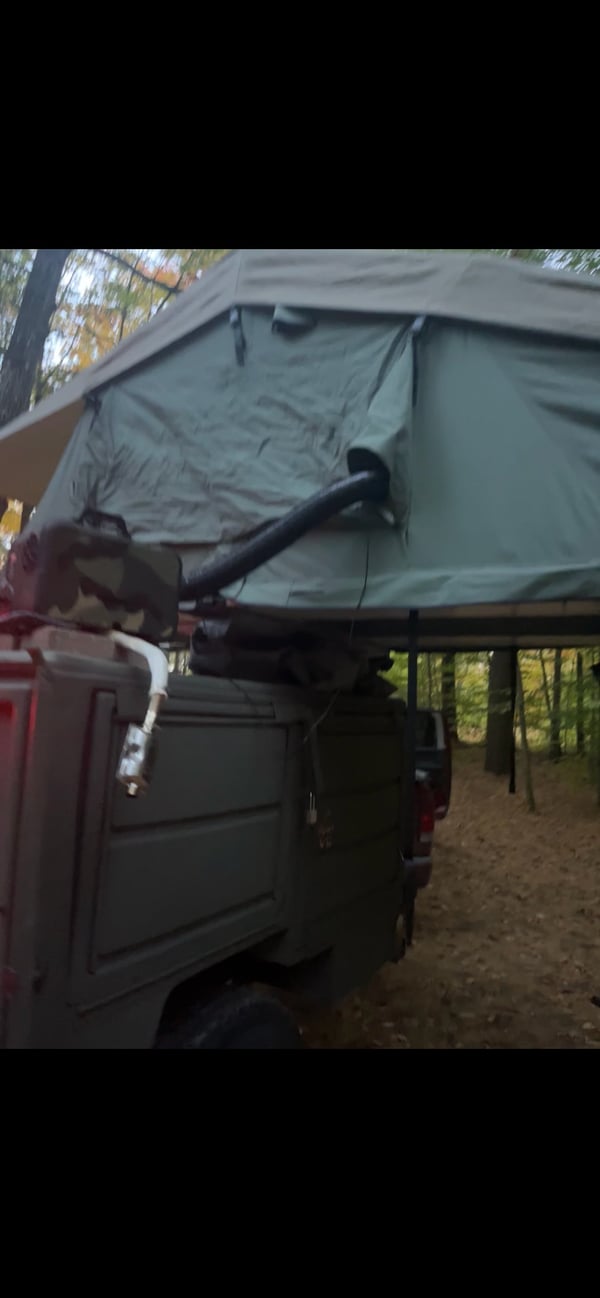
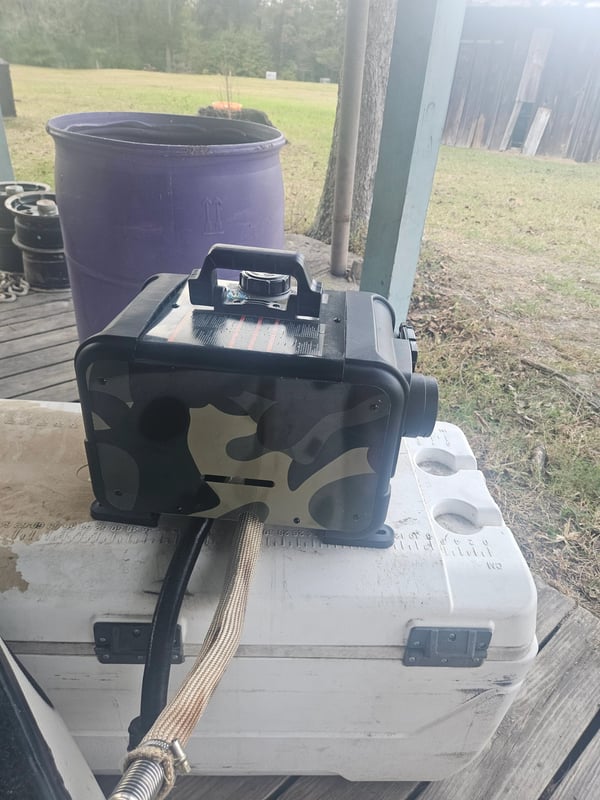
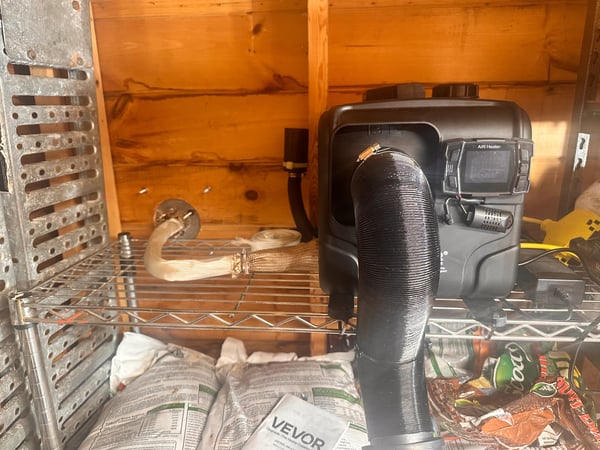
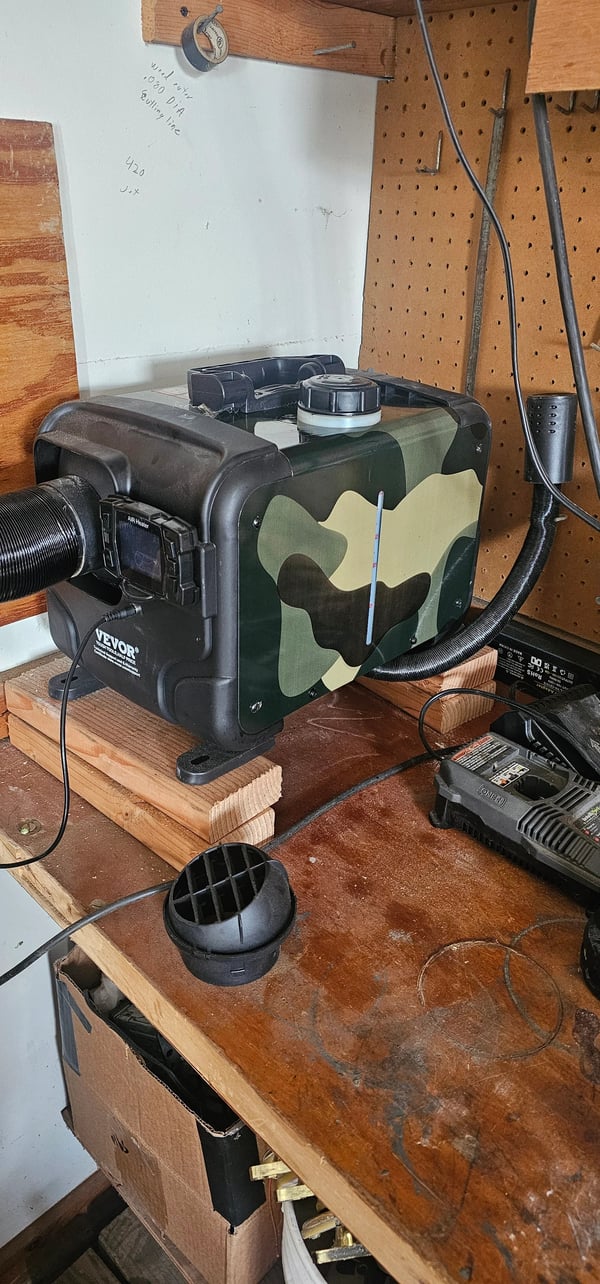
Stay Warm on Your Next Adventure. Love It or Get Your Money Back.
Put the IronRidge Diesel Air Heater to work on your next cold-weather trip. Enjoy powerful heating with less reliance on propane, backed by our 30-day money-back guarantee.
CLAIM OFFER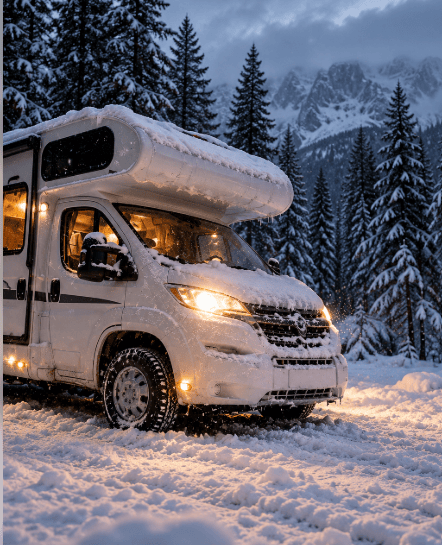
Know What You’ll Need Before You Leave
When you're traveling for extended periods, fuel consumption matters.
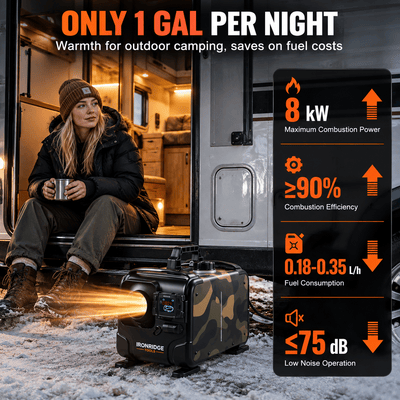
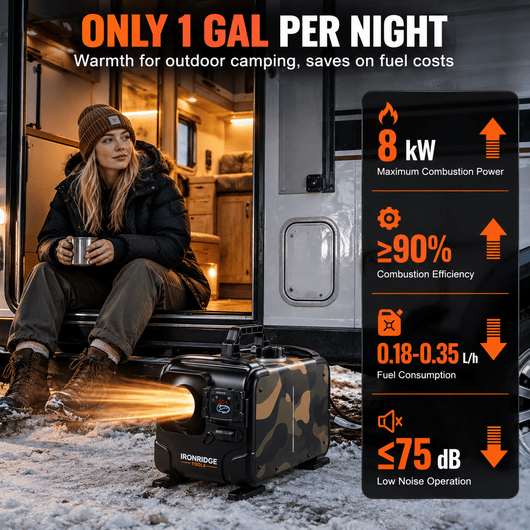
The IronRidge 8KW Diesel Air Heater has a stated fuel consumption rate of 0.18–0.35 liters per hour, depending on operating conditions and heat settings.
That works out to approximately:
- 4 hours: 0.72–1.4 liters
- 8 hours: 1.44–2.8 liters
- 10 hours: 1.8–3.5 liters
Actual consumption will vary with the selected heat setting, outdoor temperature, installation, and operating conditions.
By using a separate diesel supply for heating, you can reduce your reliance on propane for warmth and better manage the fuel you carry for an extended trip.
Frequently Asked Questions
Find answers to common questions about our products, shipping, returns, and more.
Can I use this heater if my RV already has a built-in heating system?
+
Yes, it can serve as an alternative heating option for compatible setups. Your existing system can remain available for backup or other situations, provided the diesel heater is installed and operated correctly.
What Installation Does It Require?
+
The heater needs secure positioning, suitable electrical connections, and correctly installed combustion-air and exhaust routing according to its manual—portable construction does not remove these installation requirements
Can I run it overnight while I'm sleeping?
+
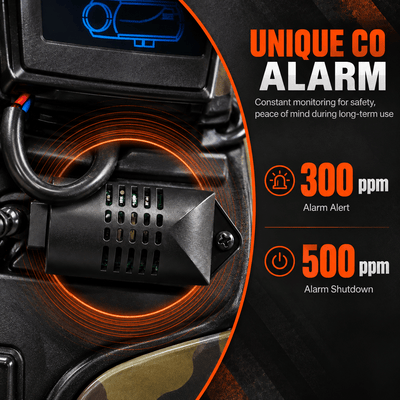
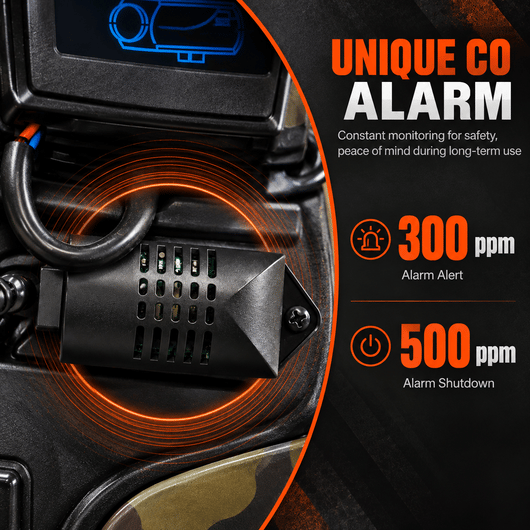
Only if the heater is installed and operated according to its safety instructions. Diesel combustion produces carbon monoxide, so the exhaust must be routed safely outdoors, and a suitable independent CO detector should be used. Never operate it in an enclosed living space without proper installation and ventilation.
What should I check before taking it on a winter road trip?
+
Check your diesel supply, compatible power source, fuel lines, exhaust connections, air intake, and electrical connections.
Will it work when I'm camping far from electrical hookups?
+
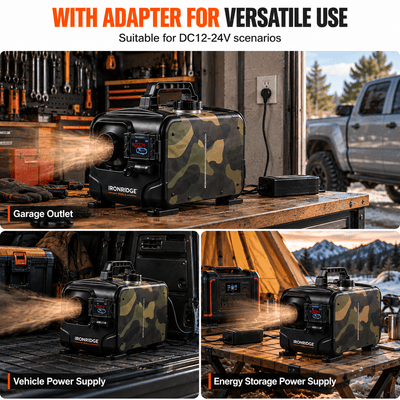
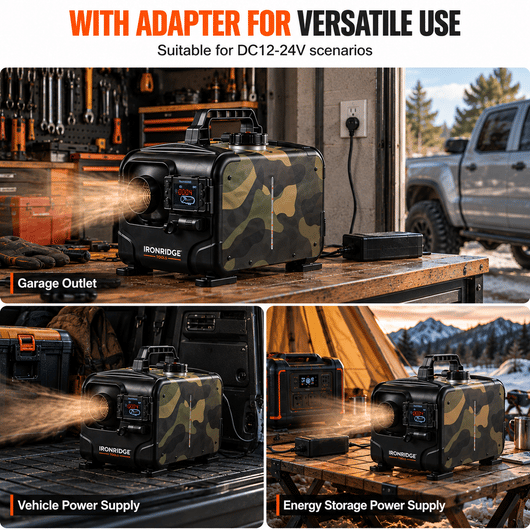
Yes, provided you have a compatible DC power source, such as a suitable battery or compatible portable power station. The heater needs electricity to operate its controls, fan, and ignition system.
What happens when the temperature drops well below freezing?
+
Heating performance depends on the outdoor temperature, insulation, space size, and installation. For best results, minimize drafts and insulate your RV or camper appropriately.
Can I use it in my garage or workshop?
+
It may be suitable for compatible garage or workshop setups when installed with proper exhaust routing and ventilation. Never direct combustion exhaust indoors, and follow all clearance and operating requirements.
What maintenance does it need between trips?
+
Inspect fuel and exhaust connections, keep air inlets and outlets clear, check electrical wiring, and follow the manufacturer's recommended startup, shutdown, and maintenance procedures. Address leaks, unusual smoke, or abnormal operation before using it again.