
Stop struggling with stubborn tire beads. The IronRidge Tire Bead Seater delivers a powerful burst of air to help seat tubeless tires quickly, making tough tire-mounting jobs easier and keeping you moving without unnecessary delays.
Seat Stubborn Tire Beads and Keep the Job Moving
$199.99
$249.99
SAVE
20%

Seats Stubborn Tire Beads Fast

Built for Compatible Tubeless Tires

Easy Push-Button Air Release

Concentrated Air for Stubborn Beads
30 Day Money Back Guarantee | Free Refunds
We've Sold Out 5 Times This Year...
Order today to GUARANTEE your product comes in by the specified date.
Making Tough Tire Jobs Easier
Over 2.3M Views On Facebook
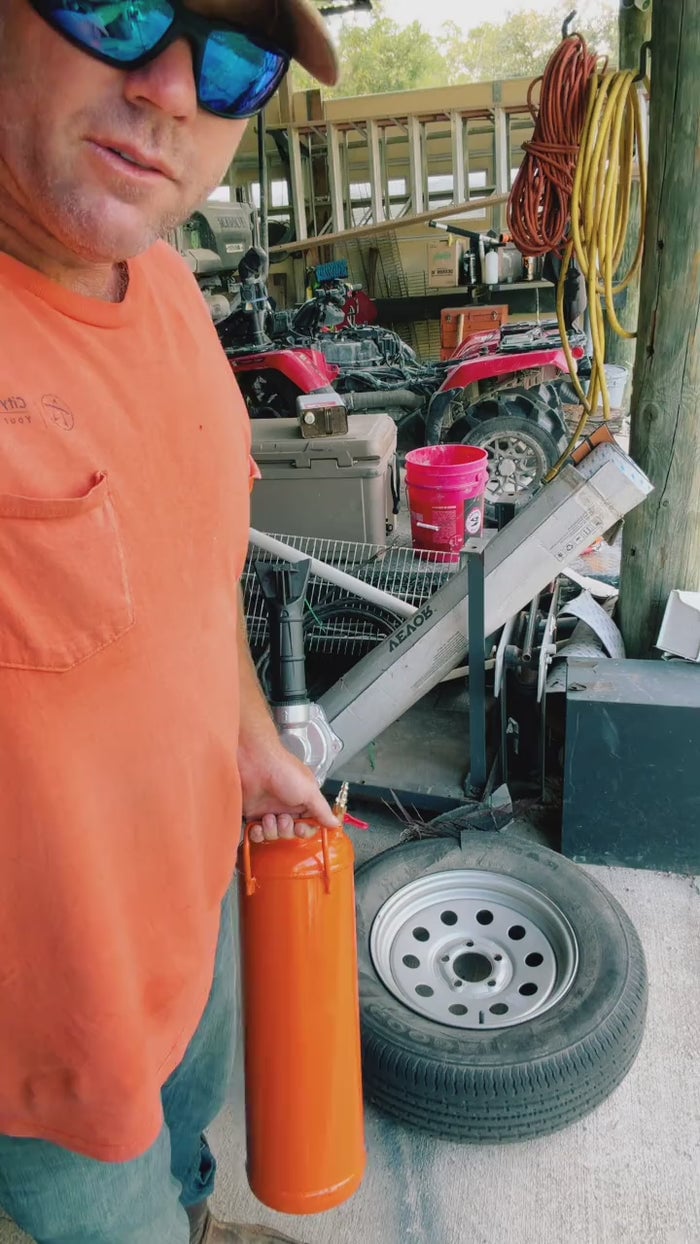
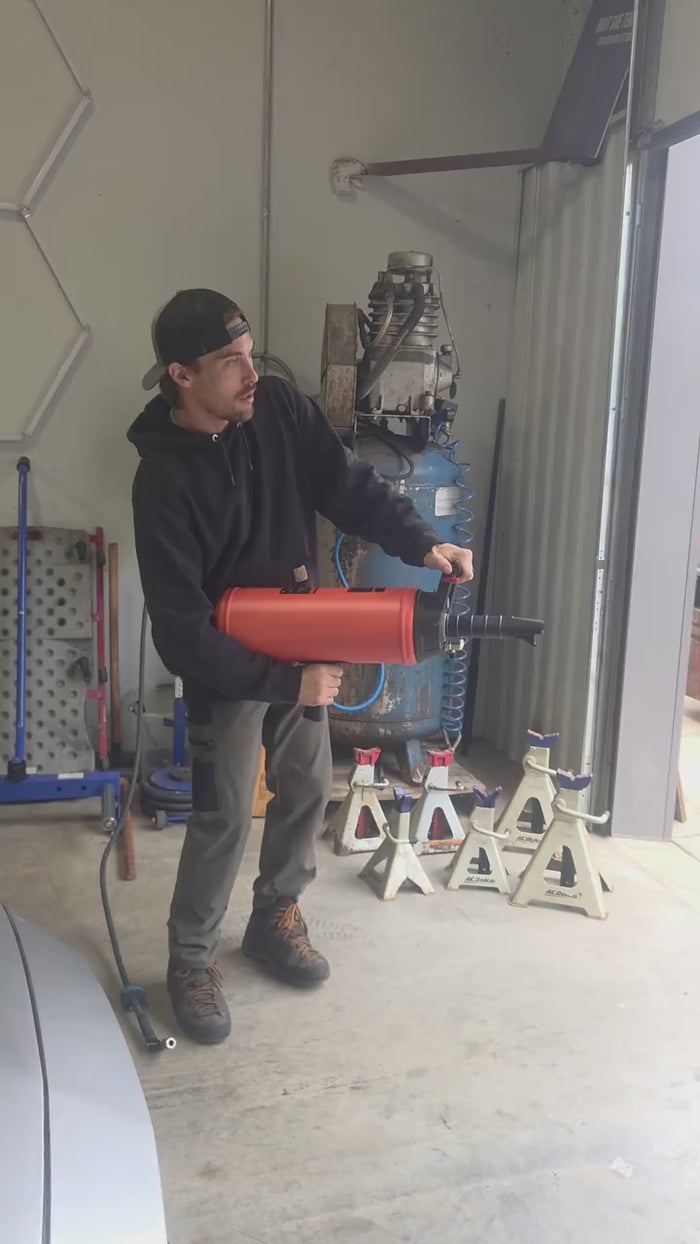
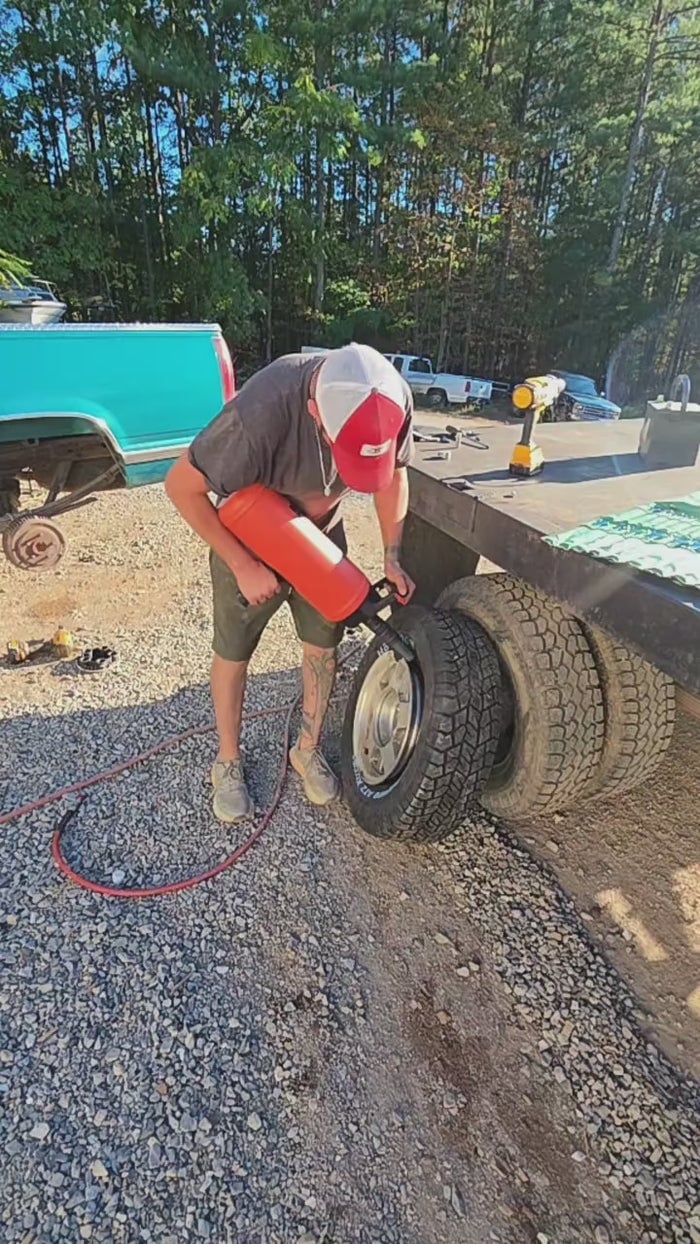
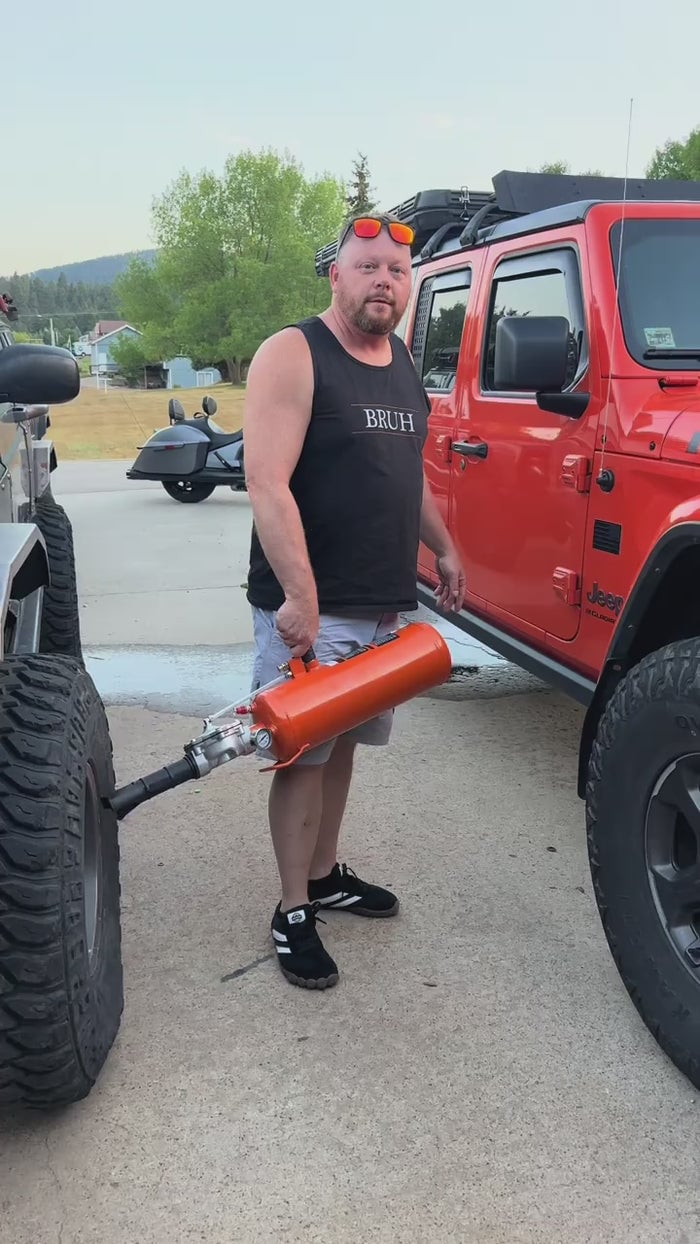
LOW STOCK NOTICE
We restock weekly, and current inventory moves quickly. If it’s showing In Stock, we recommend ordering today — once this batch sells out, we can’t reserve units and the next shipment goes out the following week.
One Powerful Burst A Better-Seated Bead
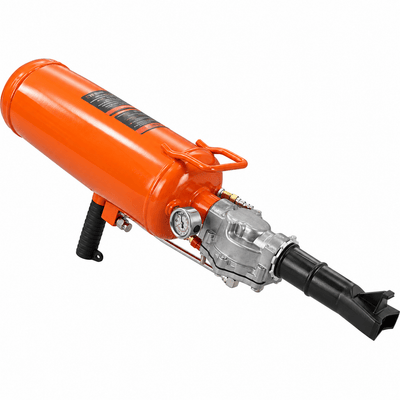
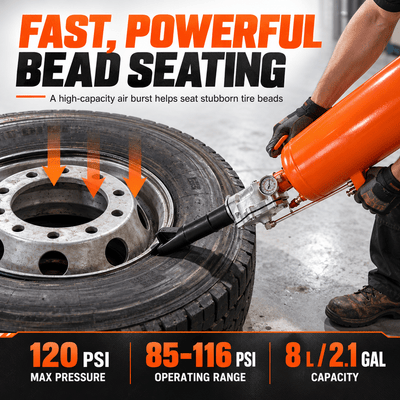
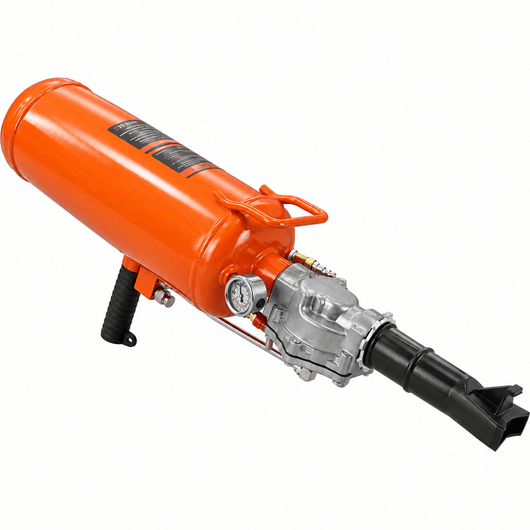
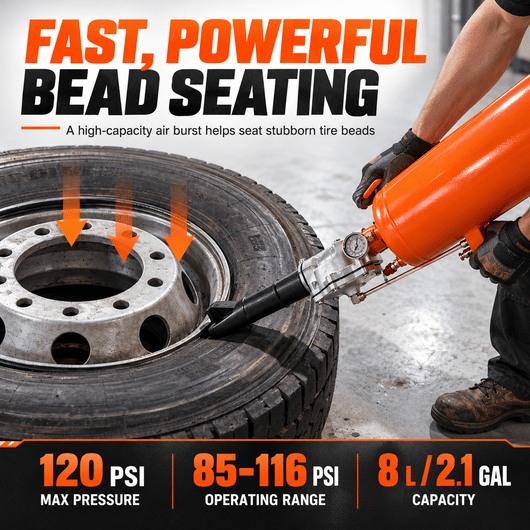
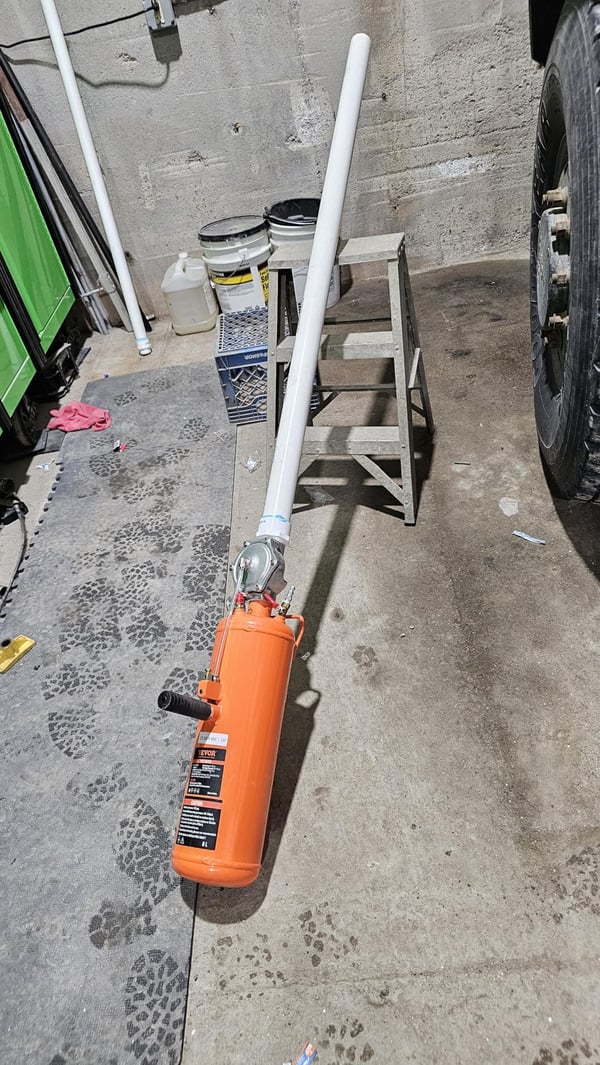
A stubborn tire bead can turn a simple tire job into a frustrating task. The IronRidge Tire Bead Seater delivers a concentrated burst of compressed air to help push the tire bead against the rim, making tubeless tire seating easier.
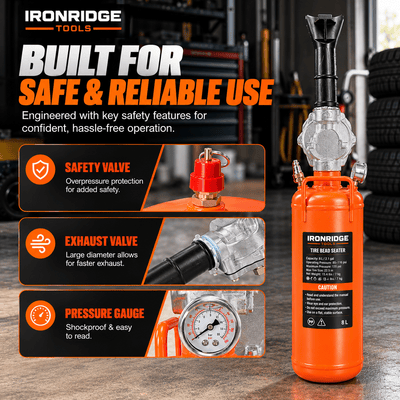
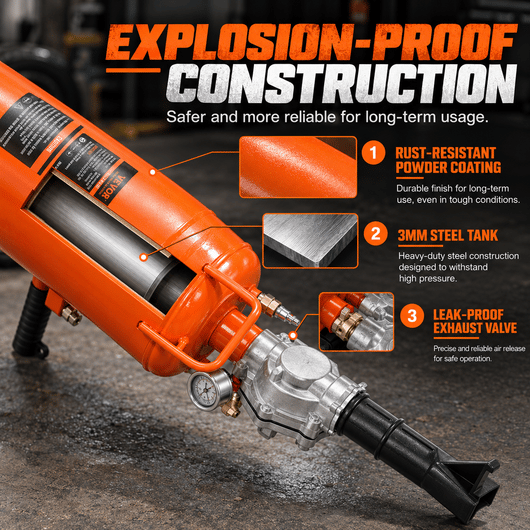
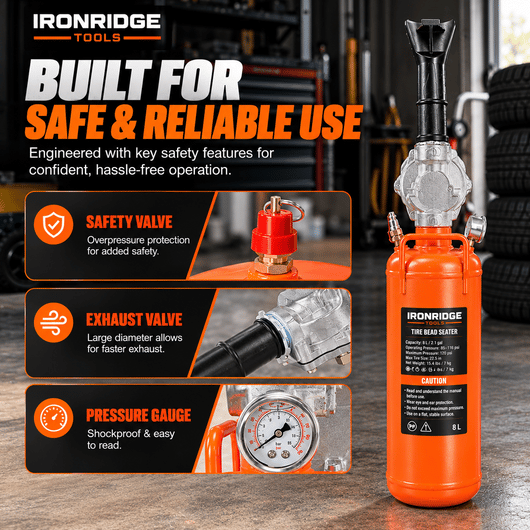
- 8L High-Capacity Tank: Built for a wide range of tire-seating jobs.
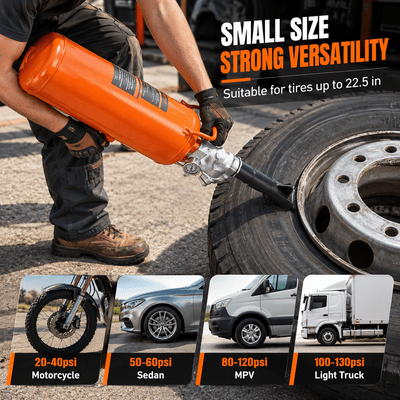
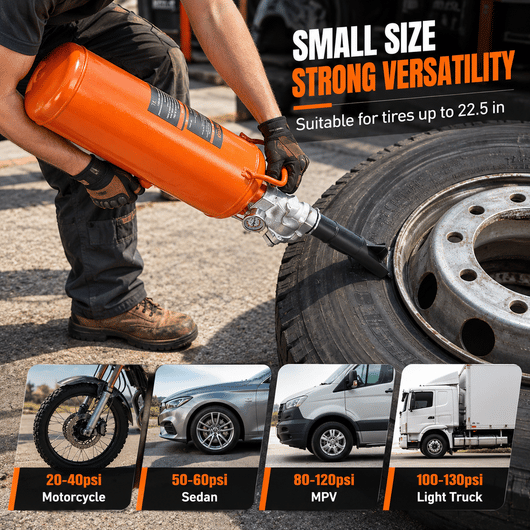
- Up to 120 PSI: Adjustable pressure for different tire sizes and applications, within the specified operating range.
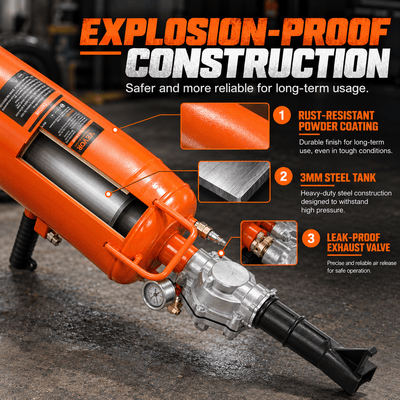
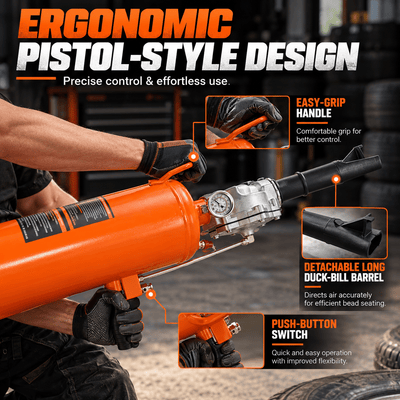
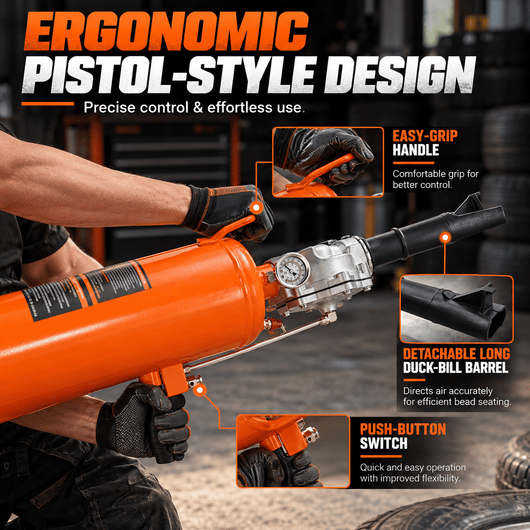
- Precision Duck-Bill Barrel: Directs airflow toward the tire bead for more controlled placement.
- Push-Button Release: Quick, convenient operation with a non-slip grip.
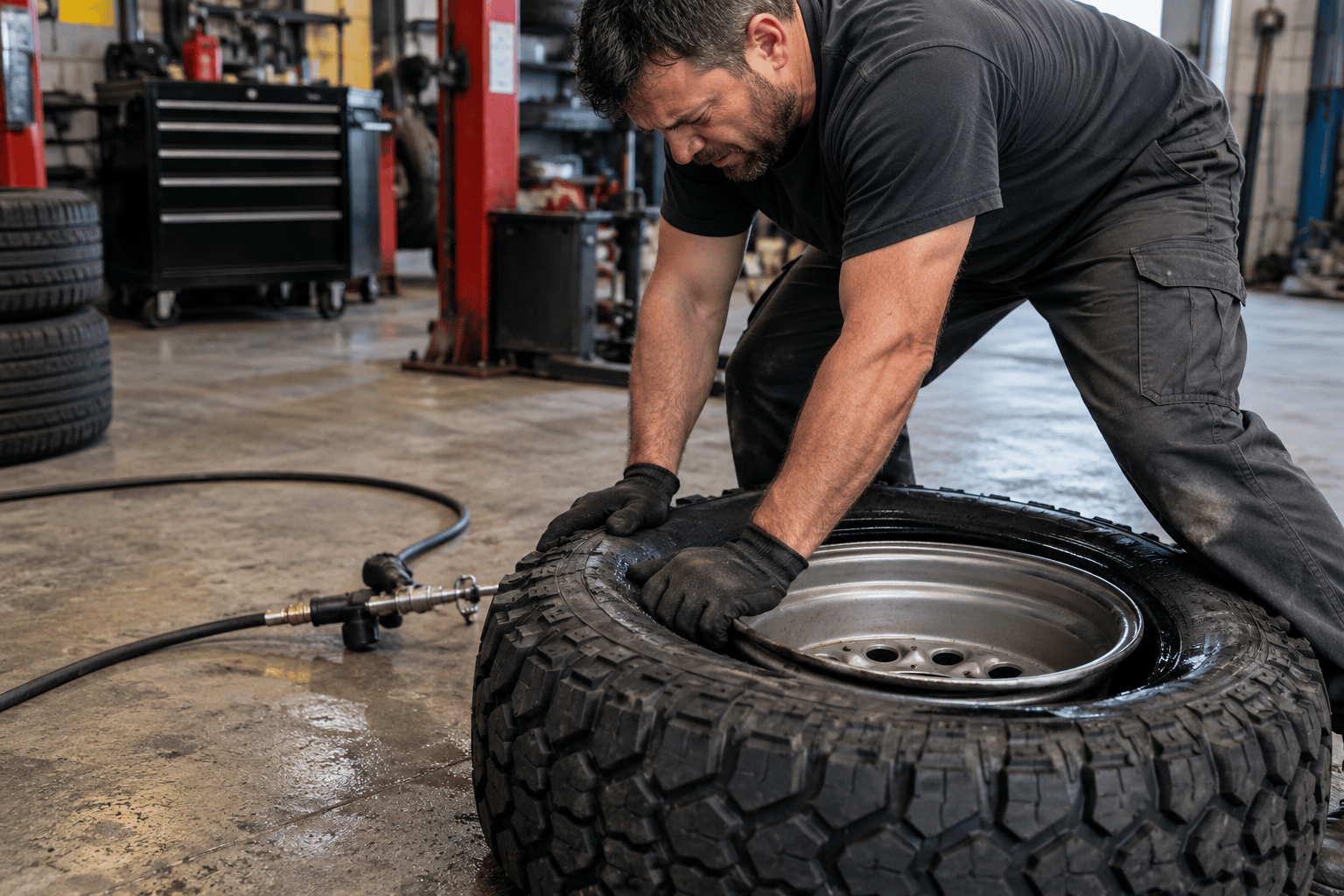
When a Tire Bead Just Won't Seat
You add air, adjust the tire, and try again—but the bead still won't seal against the rim. What should be a quick tire job turns into a frustrating cycle of repeated attempts, wasted time, and mounting delays.
For mechanics and tire shop owners, one stubborn tire can hold up the entire job, delay the next customer, and turn a simple task into a major headache.
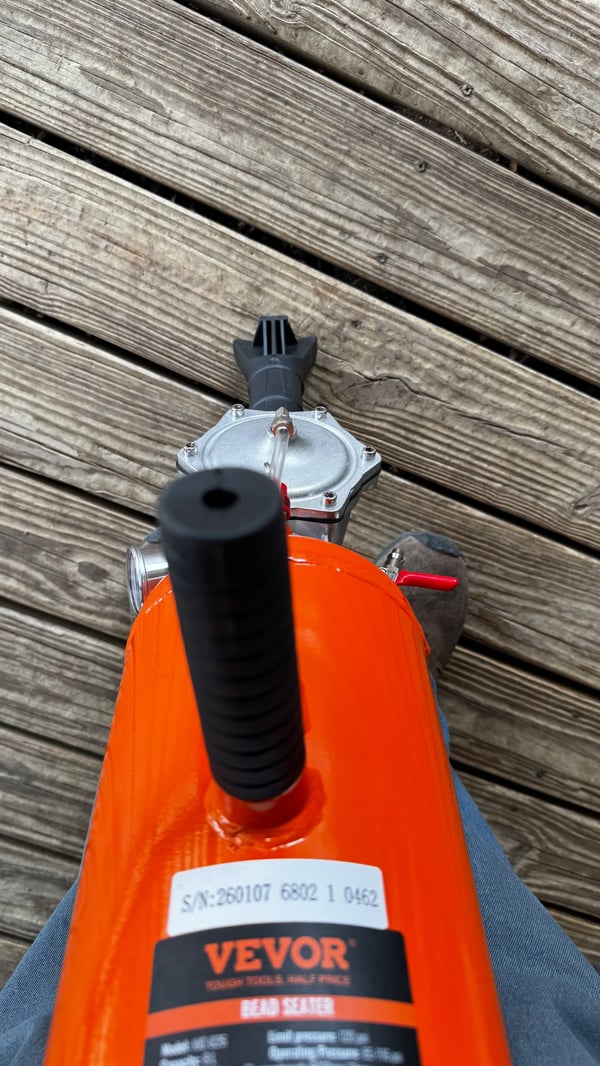
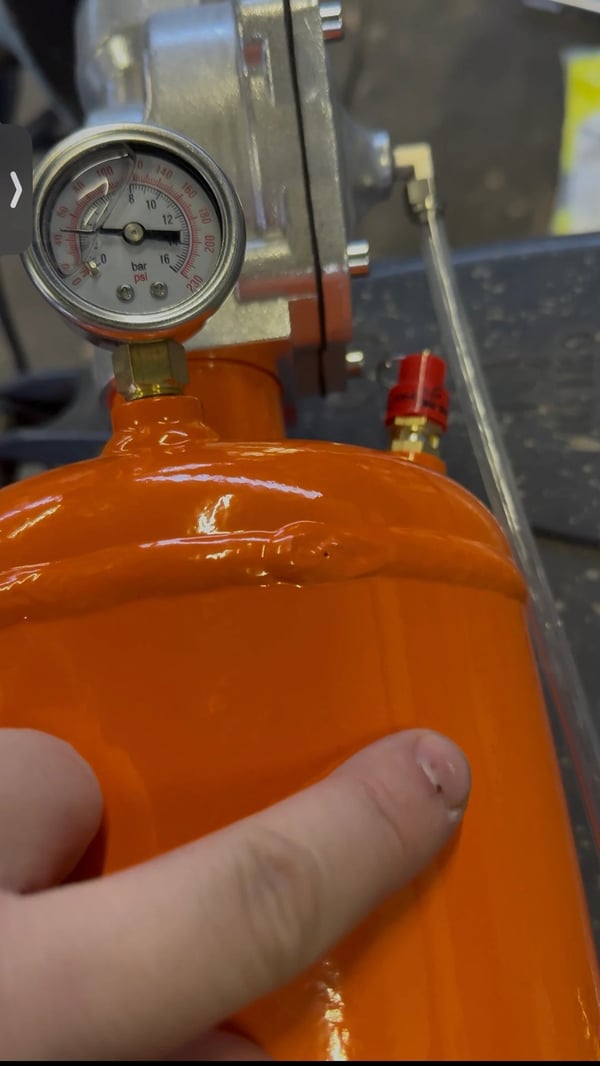
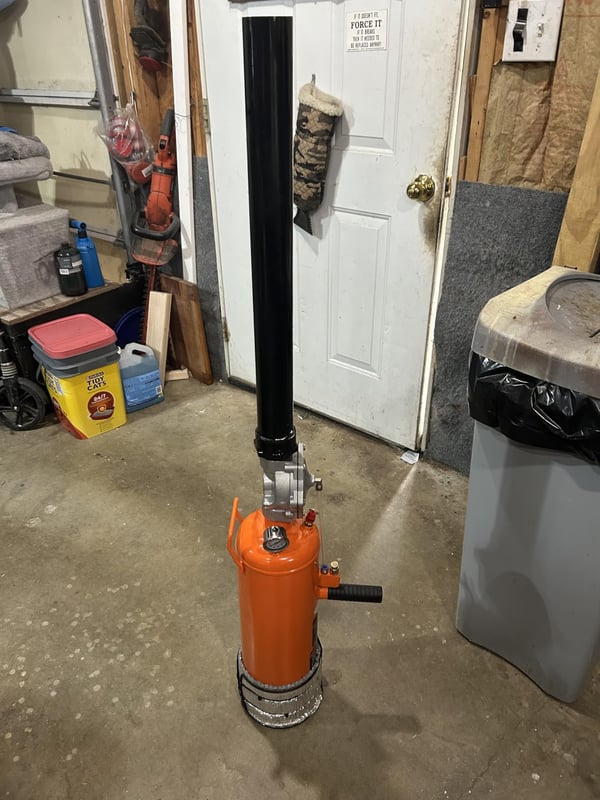
Put It to Work. Love It or Get Your Money Back.
Add the IronRidge Tire Bead Seater to your tire service setup and see how it fits your workflow. If it doesn't meet your expectations, you can return it under our applicable 30-day money-back guarantee.
CLAIM OFFER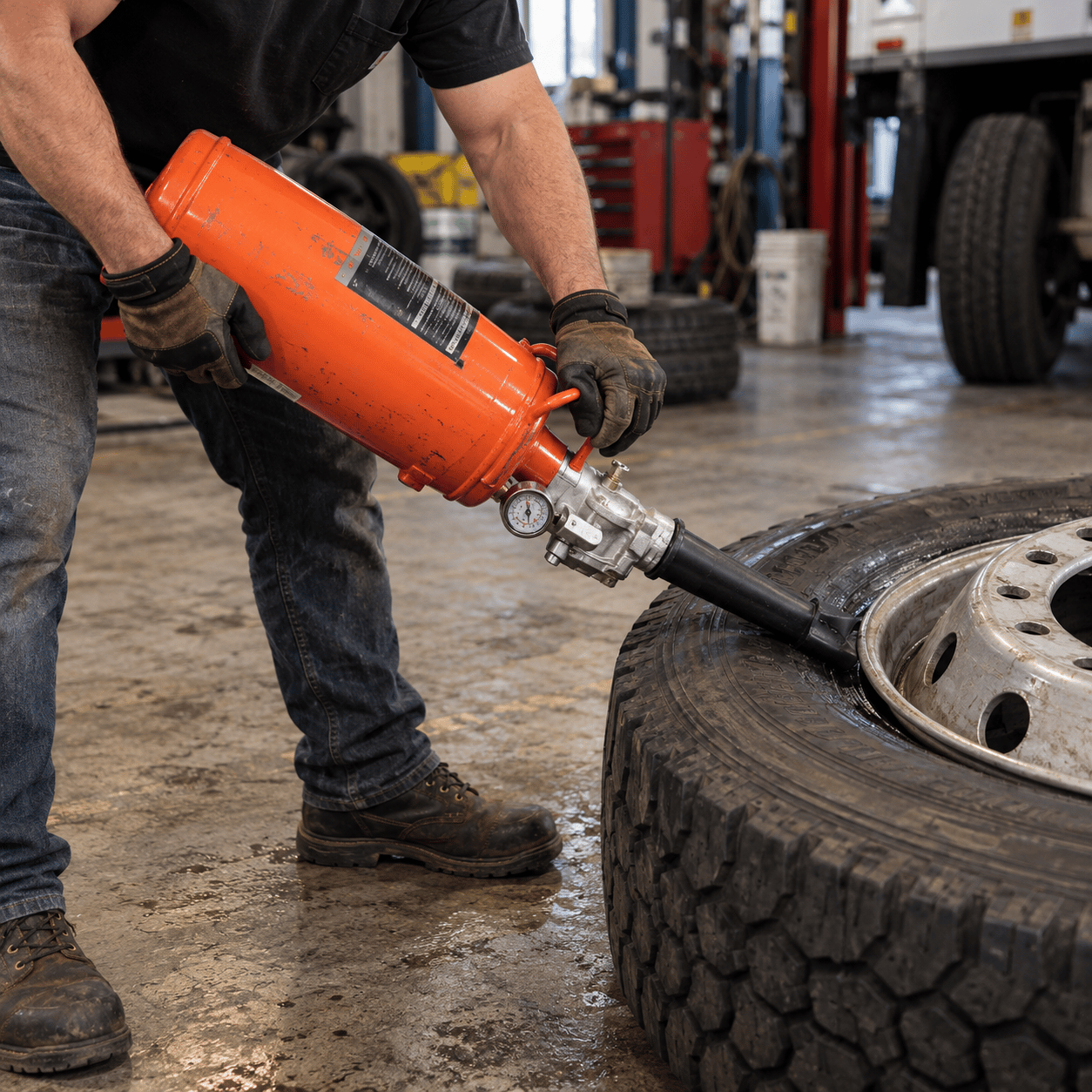
Position, Press, Seat the Bead
Designed for straightforward operation, the IronRidge Tire Bead Seater features a long duck-bill barrel and an ergonomic push-button switch.
The barrel helps direct the air burst toward the bead area, while the push-button design offers a convenient alternative to traditional twist-style controls.
Get the tool positioned correctly, select the appropriate pressure, and follow the manufacturer's operating procedure for the tire you're servicing.
This tool uses compressed air and requires proper handling. Never exceed the rated pressure or use it outside the manufacturer's safety instructions.
Frequently Asked Questions
Find answers to common questions about our products, shipping, returns, and more.
Why won't my tire bead seal even when I keep adding air?
+
The tire bead may not be making sufficient contact with the rim to form an initial seal. Tire and rim compatibility, bead condition, and positioning can all affect seating. Inspect the assembly before attempting to inflate it again.
Can I use it on a tire with a bent or damaged rim?
+
No. A bead setter is not a repair tool for damaged wheels or tires. A bent rim, cracked wheel, or damaged bead can prevent proper seating and create a serious safety risk.
Can I use this on a tire that has been sitting unused for a long time?
+
Possibly, provided the tire and rim are still in serviceable condition and compatible with the tool. Check for dry rot, cracks, deformation, or other damage before attempting to seat the bead.
Does the tire need any preparation before using a bead setter?
+
Yes. The tire and rim should be inspected, correctly matched, and prepared according to the tire manufacturer's instructions. Use only an approved tire-mounting lubricant when required; never use flammable substances to assist bead seating.
Will it work with every tubeless tire and wheel combination?
+
No. Compatibility depends on the tire's size and construction, the rim design, and the manufacturer's requirements. Always verify compatibility before use, especially with specialty wheels and commercial vehicle tires.
Can I use this for routine tire pressure adjustments?
+
No. Its primary purpose is to help seat a tire bead, not to maintain everyday tire pressure. Use a suitable tire inflator and pressure gauge for routine inflation and pressure checks.
What should I check before attempting to seat a bead?
+
Inspect the tire bead and rim for damage, corrosion, dirt, and foreign objects. Confirm that the tire is correctly positioned and that the assembly is suitable for bead seating. Follow the tire and tool manufacturers' procedures.
What if the bead still won't seat after using the tool?
+
Stop rather than repeatedly increasing pressure or attempting additional bursts. Recheck compatibility, positioning, and the condition of the tire and rim. If the bead remains unseated, consult a qualified tire technician.